MagDIGIT
 Pradip S.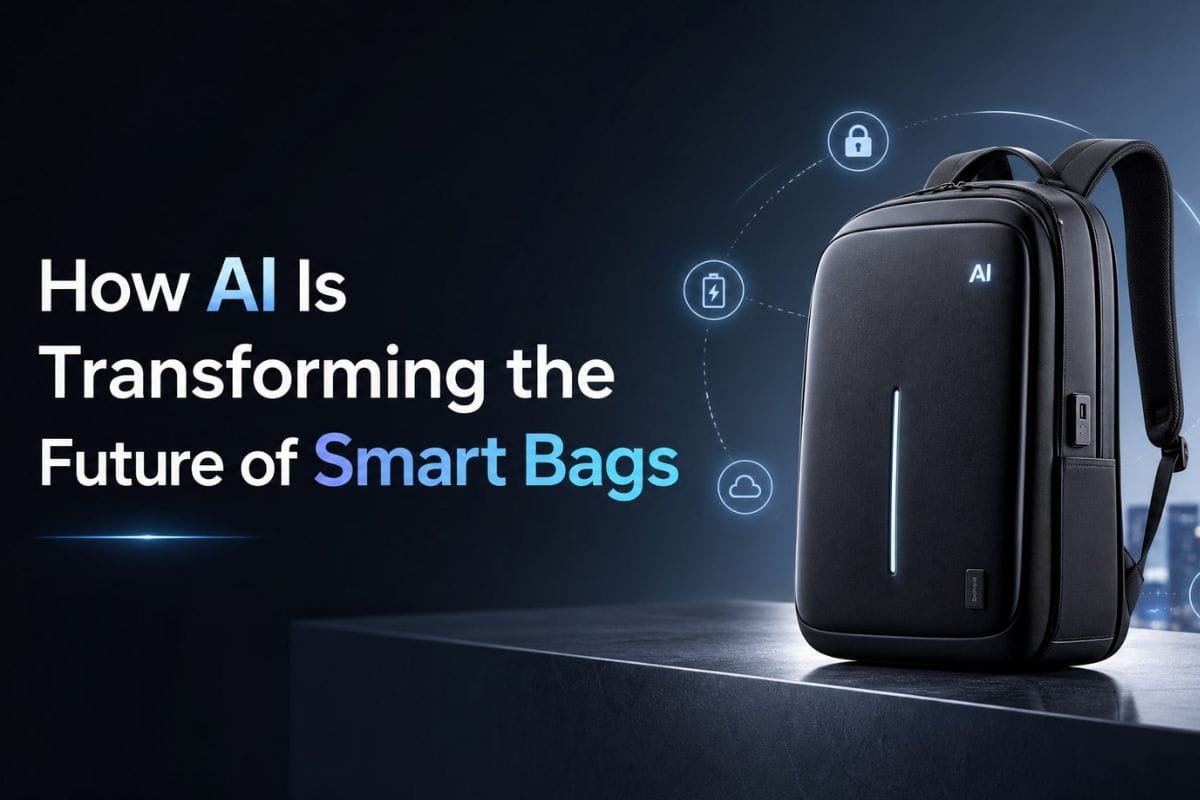
Table of Contents
For centuries, bags have served one primary purpose: carrying and protecting personal belongings. However, as technology continues to reshape everyday life, consumer expectations for bags are evolving rapidly. Modern users are no longer looking for products that only provide storage space; they increasingly expect convenience, connectivity, personalization, and smarter functionality.
Driven by advances in artificial intelligence (AI), smart bags are emerging as a new category that combines traditional bag design with intelligent technologies. From smart tracking systems and personalized user experiences to AI-assisted product development, artificial intelligence is opening new possibilities for the future of the bag industry.
Smart Bags Are Evolving Beyond Traditional Storage
Traditional bags are passive products. They store items, protect valuables, and support daily activities, but they rarely interact with users.
Smart bags represent a shift from simple storage solutions toward intelligent lifestyle products. By integrating technologies such as sensors, connectivity systems, and intelligent software, smart bags can provide additional value beyond conventional functions.
For example, modern smart travel bags and backpacks may include features such as:
- Smart location tracking to help users prevent loss and improve travel security;
- Built-in charging solutions for powering mobile devices on the go;
- Advanced security systems, including biometric locks, anti-theft alerts, and real-time monitoring
These innovations are particularly relevant as global travel, remote work, and mobile lifestyles continue to expand. Consumers increasingly want products that can adapt to their changing needs.
AI-Powered Features Are Redefining User Experience
The future of smart bags is not simply about adding electronic components or connectivity features. The real opportunity lies in using AI technologies to make bags more adaptive, responsive, and capable of addressing users’ real-world needs.
By combining sensors, data analysis, and intelligent algorithms, AI-powered bags can better understand usage scenarios and provide smarter solutions beyond traditional storage functions. Potential applications include:
- AI-powered security systems that detect unusual access, movement, or potential theft risks;
- Smart load management technologies that analyze weight distribution and help improve carrying comfort;
- Adaptive functions that automatically adjust based on different travel, work, or outdoor scenarios;
- Intelligent interaction systems that learn user preferences and enhance everyday usability.
This development reflects a broader shift in consumer products, where traditional items are becoming more connected, personalized, and responsive. For the bag industry, AI creates opportunities to move beyond competition based solely on design, materials, or pricing.
By integrating meaningful smart functions, bag brands can develop differentiated products, improve user experience, and create higher-value solutions for modern consumers.
How AI Is Influencing Bag Design and Product Development
AI is not only changing the final product; it is also influencing how bags are designed and developed.
For brands and manufacturers, AI can support faster product innovation through:
- Consumer trend analysis to identify emerging market demands;
- Design optimization during product development;
- Faster concept visualization and prototype improvements;
- More efficient communication between brands and manufacturers.
In the OEM/ODM bag industry, product development speed and flexibility are becoming increasingly important. As market cycles become shorter, brands need manufacturing partners that can quickly transform ideas into practical products.
AI-assisted design tools can help manufacturers better understand customer requirements, improve development efficiency, and create more differentiated bag solutions.
Opportunities for Brands in the Smart Bag Market
As consumers become more technology-oriented, smart bags offer brands a new opportunity to create premium products and strengthen customer relationships.
Instead of competing only through lower prices, brands can differentiate themselves through:
- Innovative functionality;
- Better user experiences;
- Technology-driven product stories;
- More personalized solutions.
For example, a commuter backpack designed with intelligent organization features serves a different market need than a traditional backpack. A travel bag with smart tracking capabilities provides additional value for frequent travelers.
The future growth of smart bags will likely come from combining technology with practical everyday needs rather than simply adding complex features.
The Future of AI-Driven Bag Innovation
AI is still developing, and its impact on the bag industry is only beginning to emerge. Future smart bags may become more connected, more adaptive, and more closely integrated into users’ daily lives.
However, successful smart bag innovation will depend on balancing technology with practicality. Consumers do not need technology for its own sake; they need products that solve real problems and improve everyday experiences.
For global bag brands and bag manufacturers, AI represents a new opportunity to rethink product development, enhance innovation capabilities, and create higher-value products.
The future of bags will not only be about what people carry, but also about how intelligently those products support the way people live, work, and travel.
Get real time update about this category directly on your device, subscribe now.