MagDIGIT
 Pradip S.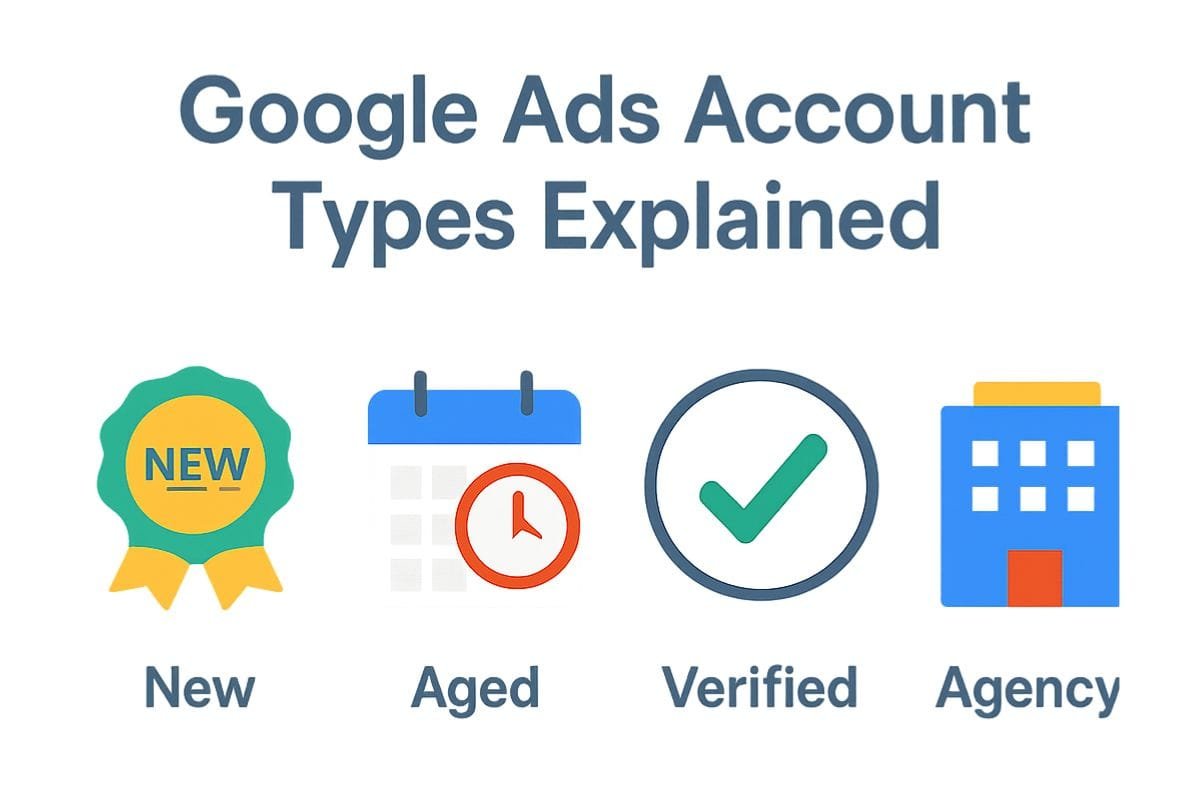
When advertisers first enter the market, they often assume that all Google Ads accounts are basically the same. In practice, that is not true. The type of account you use can affect launch speed, verification workload, operational flexibility, and how comfortably you scale later. That is why understanding account types matters before you invest time or budget into campaigns.
For some advertisers, a brand-new setup is enough. For others, especially teams working under deadlines, the question is not just how to advertise, but how to start with fewer delays. This is where options like a faster route to account readiness become relevant, especially for businesses that do not want to lose time during the setup stage.
Table of Contents
Why does account type matter at all
Choosing the wrong account type does not always lead to failure, but it can create friction. The right choice depends on your timeline, risk tolerance, workflow, and campaign volume.
A useful comparison usually focuses on:
launch speed;
account trust and history;
verification status;
team access and management;
ability to scale campaigns smoothly.
There is no universal “best” option — only the best fit for a specific advertising situation.
1. What is a new Google Ads account?
A new account is the standard starting point for many small businesses and first-time advertisers. It is created from scratch, has no spending history, and gives full control from day one.
Best for:
beginners;
small businesses testing Google Ads;
brands with flexible launch timelines.
Main advantages:
clean start;
direct ownership from the beginning;
easy to customize around one business.
Main limitations:
no historical trust signals;
possible verification or billing delays;
slower path to scaling in some cases.
A new account is often the most logical choice for companies that want simplicity and do not need immediate volume.
2. What is an aged account?
An aged account is an account that has existed for some time. In many cases, advertisers look into a buy aged Google Ads account or even a buy old Google Ads account option because age can be associated with a more established account history.
That does not automatically guarantee better performance, but it may offer practical advantages depending on the provider, account condition, and intended use.
Best for:
experienced media buyers;
affiliates;
advertisers who value speed.
Potential strengths:
older account age;
more mature account environment;
sometimes a smoother operational launch.
Important caution:
Not all aged accounts are equal.
quality depends on history, setup, and transfer process;
- Poor sourcing can create avoidable risk.
3. What is a verified account?
A verified account has already passed relevant account checks or business verification steps required for its setup. This is why some users specifically search for a buy Google Ads verified account when they want to reduce administrative friction.
Best for:
businesses with urgent launch timelines;
agencies onboarding clients quickly;
e-commerce teams preparing campaigns around promotions.
Why advertisers consider them:
fewer setup delays;
more predictable launch process;
easier operational planning.
For teams that care about continuity, this can function as a more scalable account option for active advertisers rather than just a shortcut. The value is not in speed alone, but in reducing interruptions when campaigns need to move quickly.
4. What is an agency account?
An agency account is usually connected to a professional workflow where multiple campaigns, brands, or clients need to be managed in a structured way. It is not just about one advertiser running one offer.
Best for:
marketing agencies;
media buying teams;
businesses managing several brands.
Typical benefits:
easier role management;
better organization across accounts or campaigns;
stronger scalability for ongoing work.
Agency-style setups are usually less about beginner convenience and more about process efficiency.
Quick comparison by criteria
If you compare account types side by side, the differences look like this:
New account — simple start, but potentially slower early-stage ramp-up
Aged account — useful for advertisers who value account maturity
Verified account — attractive when verification readiness matters
Agency account — strongest fit for multi-client or team-based workflows
Which type fits which advertiser?
The answer depends on the business model.
A new account may suit:
local businesses;
cautious first-time advertisers;
companies testing demand.
An aged or verified option may suit:
affiliate marketers;
e-commerce brands with time-sensitive launches;
advertisers trying to reduce setup friction.
An agency account may suit:
service providers running ads for clients;
teams with shared access needs;
advertisers managing several funnels at once.
Final takeaway
Understanding account types helps advertisers make more practical decisions before campaigns go live. A new account can be the right move for a beginner. An aged account may be useful for someone who values maturity. A verified account can reduce friction. An agency structure can support larger operational needs.
The most important point is simple: there is no single perfect option for everyone. The right choice depends on your timeline, your workflow, and the level of flexibility your campaigns require.
Get real time update about this category directly on your device, subscribe now.
Have any thoughts?
Share your reaction or leave a quick response — we’d love to hear what you think!
-
 0
0 - 0
- 0
- 0
- 0
- 0