Barsha Chowdhury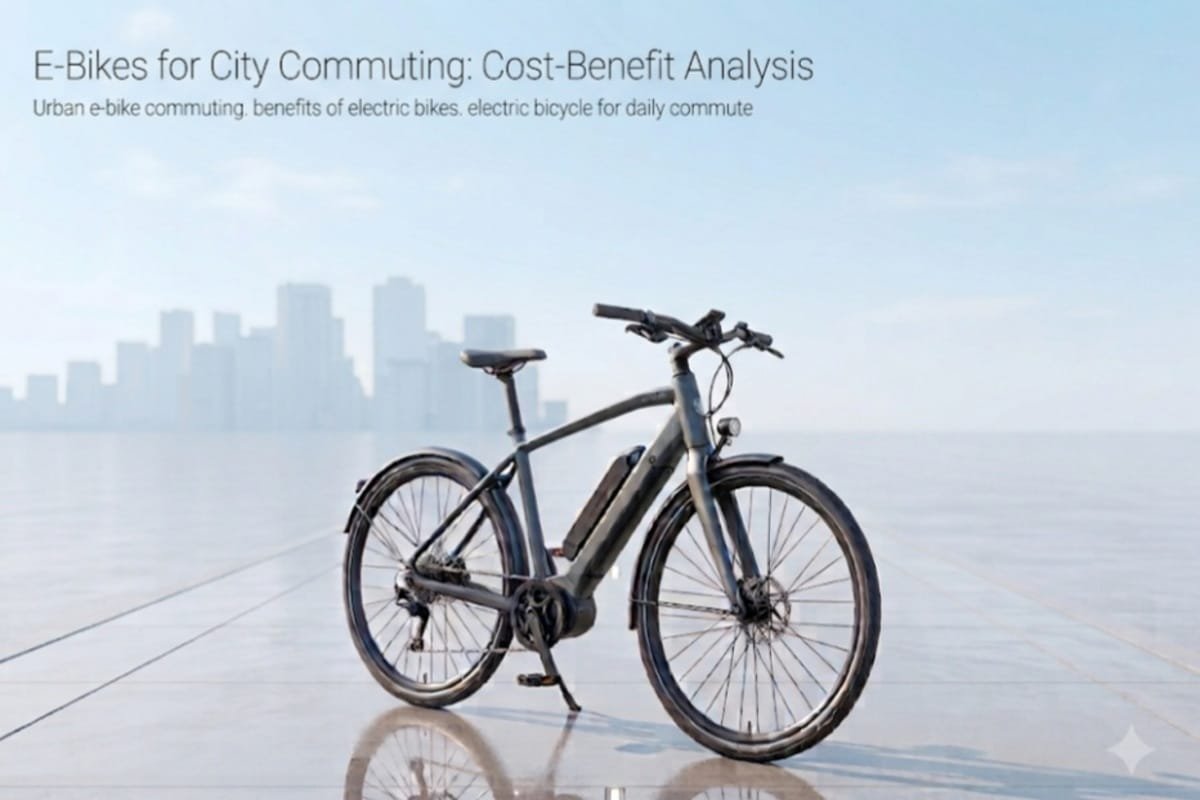
Tired of sitting in standstill traffic, watching your hard-earned money burn through gas tanks and expensive parking garage passes every single week? Relying on cars or packed public transit for your daily urban travels makes e-bikes for city commuting the ultimate financial game-changer. In this comprehensive cost-benefit breakdown, we will examine total startup expenses, routine operational costs, invisible savings, and real-world health advantages so you can decide if switching to an electric bike is the smartest financial decision for your daily travel.
Table of Contents
The True Cost of Urban Transportation: Car vs. Public Transit vs. E-Bike
To understand the value of an electric bike vs car setup or public transit, you must look beyond initial price tags. Daily travel expenses accumulate rapidly across fuel, parking, and insurance premiums.
Switching to an electric bicycle for daily commute routes eliminates gas station trips entirely and bypasses monthly parking permits. According to transportation expenditure findings published by the AAA Driving Costs Report, owning and operating a traditional automobile now costs over $12,000 annually, whereas an e-bike costs just a fraction of that figure.
Breakdown of E-Bike Financial Investment
Calculating the true e-bike commuting costs involves balancing initial hardware setup with negligible long-term maintenance.
Upfront Capital Investment
High-quality, affordable electric bikes tailored for urban travel typically cost between $1,000 and $2,800. Essential commuter additions include:
- A certified safety helmet ($50–$120)
- Heavy-duty Sold Secure U-locks or chain locks ($60–$150)
- Weatherproof pannier bags and integrated lights ($80–$180)
Routine Maintenance and Operating Costs
Unlike combustion engines, an electric bike features fewer mechanical failure points. Typical e-bike maintenance cost lines include:
- Brake pad replacements every 1,500 miles ($30–$60)
- Chain lubrication, tire replacements, and seasonal tune-ups ($100–$200 per year)
- Battery degradation reserves over a 3–5 year lifecycle ($400–$700 replacement cost)
Furthermore, the electric bike charging cost is remarkably low. Charging a typical 500Wh e-bike battery life system costs around $0.05 to $0.15 per full charge depending on local kilowatt rates, making the monthly power expense under $5.
Time, Stress, and Environmental Value
The benefits of electric bikes extend far beyond direct financial statements. Urban e-bike commuting offers non-monetary dividends that directly upgrade your quality of life.
- Bypass Gridlock Traffic: Commuting via dedicated bike lanes ensures reliable arrival times regardless of rush-hour congestion.
- Door-to-Door Parking Convenience: Eliminate 15-minute delays spent hunting for parking spots or walking from distant parking structures.
- Eco-Friendly Footprint: Choosing eco-friendly transportation directly cuts personal carbon emissions while fostering sustainable city transportation initiatives.
- Effortless Fitness: Pedal-assist technology lets you sweat as much or as little as you want, letting you arrive at work fresh without needing a full shower change.
Calculating Your Break-Even Timeline
A comprehensive electric bike cost benefit analysis proves that high-mileage riders recover their entire investment within 6 to 14 months.
If your current e-bike vs public transport setup or driving routine costs you $300 a month in gas, parking, and transit passes, spending $1,500 on a commuter e-bike means you achieve full net savings by month five. Every mile ridden thereafter represents pure e-bike fuel savings and overall e-bike long-term savings.
Key Takeaways
Investing in e-bikes for city commuting stands as one of the most effective personal financial upgrades available to urban professionals today. By drastically slashing transportation expenses, eliminating parking fees, and bypassing gridlock traffic, an electric bike offers unprecedented mobility and long-term financial freedom.
If you are ready to stop wasting money on daily gridlock, explore our detailed buying guides on urban commuting gear or book a local test ride to claim back your time and budget today!
Frequently Asked Questions
How long does a typical e-bike battery last before needing replacement?
Most commuter e-bike batteries last between 500 to 1,000 full charge cycles, which translates to roughly 3 to 5 years of daily riding. Proper storage in moderate temperatures and keeping charge levels between 20% and 80% will maximize total lifespan.
Is an e-bike practical for commutes over 10 miles each way?
Yes, provided the bike features an adequate range reserve. A standard 500Wh battery easily provides 25 to 45 miles of pedal assist per charge, allowing you to handle longer commutes quickly without excessive exertion.
Do I need special insurance or a driver’s license to ride an e-bike?
In most jurisdictions, standard Class 1 and Class 2 e-bikes are legally treated like traditional bicycles and require no license or mandatory insurance. However, optional theft coverage through renters insurance or dedicated bicycle policies is highly recommended for city riders.
How does e-bike maintenance compare to a traditional bicycle?
Mechanical components like chains, tires, and brakes wear similarly to non-electric bikes, though brake pads wear faster due to higher speeds. The electric motor and battery components require almost no daily maintenance beyond periodic software checks and clean storage.
Get real time update about this category directly on your device, subscribe now.