Table of Contents
Baltimore Freight Consolidation helps carriers, brokers, distributors, importers, and manufacturers reduce transportation costs while improving delivery efficiency throughout the Mid-Atlantic region. As freight volumes continue to grow and supply chains become more complex, businesses are increasingly looking for ways to maximize trailer utilization, reduce empty space, and streamline freight movement.
Located near one of the most important transportation gateways on the East Coast, Baltimore provides an ideal location for freight consolidation operations that connect ports, warehouses, distribution centers, and final destinations throughout Maryland, Pennsylvania, Virginia, New Jersey, Delaware, and beyond.
Why Freight Consolidation Matters
Transportation costs continue to represent one of the largest expenses within modern supply chains.
Many businesses struggle with:
- • Partially filled trailers
- • Multiple supplier shipments
- • Inefficient delivery routes
- • High transportation costs
- • Excessive handling requirements
- • Increased fuel expenses
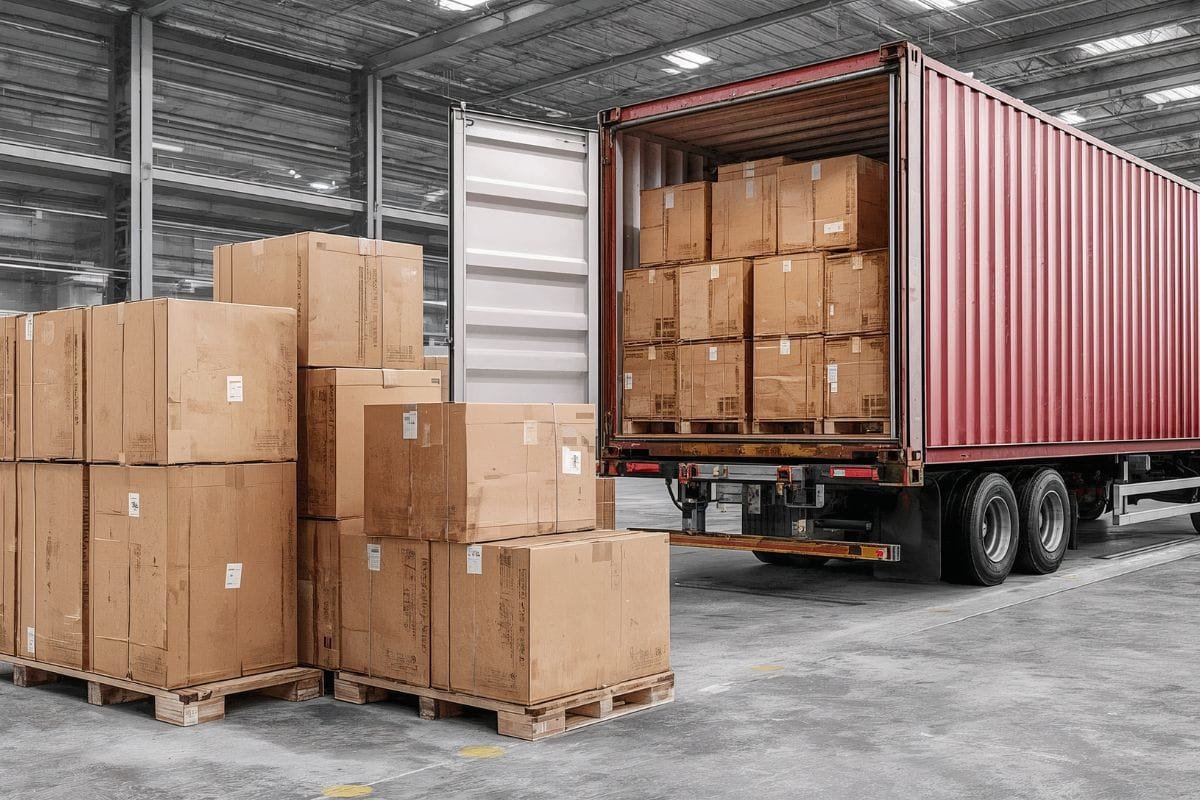
Freight consolidation solves these challenges by combining multiple shipments into larger, more efficient outbound loads.
Instead of moving several partially loaded trucks, businesses can combine freight into fewer shipments and significantly improve transportation efficiency.

Why Baltimore Is a Strategic Consolidation Hub
Baltimore occupies a unique position within the Mid-Atlantic transportation network.
Key advantages include:
- • Access to the Port of Baltimore
- • Interstate 95 connectivity
- • Interstate 695 access
- • Interstate 70 freight corridors
- • Proximity to Washington, DC
- • Access to Philadelphia markets
- • Connections to major East Coast distribution centers
Because of these advantages, Baltimore serves as a natural consolidation point for inbound and outbound freight moving throughout the eastern United States.
Companies frequently use Baltimore to combine shipments before final delivery across multiple regional markets.
How Freight Consolidation Reduces Transportation Costs
One of the biggest benefits of freight consolidation is improved trailer utilization.
When multiple shipments are combined into a single outbound load, businesses benefit from:
- • Lower freight costs
- • Better equipment utilization
- • Reduced fuel consumption
- • Fewer transportation events
- • Improved route efficiency
- • Lower carbon emissions
For distributors and manufacturers managing freight from multiple suppliers, consolidation can generate substantial savings across an entire transportation network.
Supporting Import and Distribution Operations
The Port of Baltimore remains one of the most important logistics gateways on the East Coast.
Many importers receive products from multiple international suppliers and require a centralized location to combine freight before regional distribution.
Common consolidation scenarios include:
- • Port container freight
- • Retail inventory distribution
- • Manufacturing components
- • Consumer products
- • Industrial equipment
- • Food and beverage shipments
Instead of delivering multiple shipments separately, businesses can consolidate inventory into larger outbound loads and improve overall supply chain efficiency.
Freight Consolidation and Cross-Docking
Many successful distribution networks combine freight consolidation with cross-docking operations.
This approach allows freight to:
- • Arrive from multiple suppliers
- • Be sorted and consolidated
- • Move directly into outbound transportation
- • Avoid unnecessary storage
Professional Freitty operations help businesses reduce warehouse dwell time while maintaining shipment visibility and delivery performance.
For fast-moving supply chains, combining consolidation and cross-docking often creates significant operational advantages.
Additional Services That Support Consolidation Projects
Freight consolidation rarely operates in isolation.
Many customers also require:
- • Cross Docking
- • Freight Reloading
- • Truck-to-Truck Transfers
- • Pallet Restacking
- • Freight Rework
- • Warehouse Rework
- • Short-Term Storage
- • Freight Deconsolidation
Combining these services within a single facility simplifies logistics planning while reducing transportation delays.
A shipment arriving with damaged pallets, for example, may require pallet restacking before it can be consolidated with other freight.
Industries That Benefit from Baltimore Freight Consolidation
Many industries depend on freight consolidation to improve transportation efficiency.
Examples include:
- • Retail distribution
- • Consumer goods
- • Industrial manufacturing
- • Medical equipment suppliers
- • Automotive suppliers
- • Food and beverage distributors
- • E-commerce fulfillment providers
These industries often manage shipments from multiple vendors and require efficient distribution solutions to control costs and maintain customer service levels.
How Freitty Supports Freight Consolidation Operations
Freitty helps carriers, brokers, importers, manufacturers, and distributors create more efficient freight networks through professional logistics support.
The Baltimore facility supports:
- • Freight Consolidation
- • Freight Deconsolidation
- • Cross Docking
- • Freight Reloading
- • Truck-to-Truck Transfers
- • Pallet Restacking
- • Freight Rework
- • Short-Term Storage
The objective is to help customers move freight more efficiently while reducing transportation expenses and improving operational flexibility.
Whether handling regional distribution projects or larger multi-state freight networks, professional consolidation services help businesses improve performance throughout the supply chain.
The Advantage of Freight Consolidation in Baltimore
Businesses operating throughout the Mid-Atlantic region face increasing pressure to control transportation costs while maintaining service levels.
Baltimore Freight Consolidation provides a practical solution that improves trailer utilization, reduces freight expenses, and supports more efficient distribution strategies.
With direct access to major highways, proximity to the Port of Baltimore, and support from experienced logistics providers, businesses can create stronger and more flexible supply chains while keeping freight moving efficiently throughout the eastern United States.